

How Food Choices Impact Plaque and Tartar

Plaque and tartar are often blamed entirely on brushing habits. While daily oral hygiene is essential, diet plays a powerful role in how quickly buildup develops. Every time you eat, bacteria in your mouth respond. Some foods fuel them. Others help control them.
Understanding the connection between what you eat and how plaque forms can make a noticeable difference in your long-term oral health.
At Moxie Dental in Toronto, we regularly help patients identify how small dietary patterns contribute to plaque accumulation and gum inflammation over time.
How Plaque Forms in the First Place

Plaque is a sticky film made of bacteria, saliva, and food particles. It forms constantly on tooth surfaces, even shortly after brushing. When you eat foods rich in sugars or refined carbohydrates, bacteria in plaque break them down and produce acids.
Those acids weaken enamel and irritate gum tissue.
If plaque is not removed thoroughly through brushing and flossing, it begins to harden. Within a few days, it can mineralize into tartar. Unlike plaque, tartar cannot be removed at home and requires professional cleaning.
The speed of this process depends heavily on diet.
Foods That Increase Plaque Buildup

Some foods create the ideal environment for plaque bacteria to thrive. The biggest factor is not just sugar content, but how long those sugars stay on your teeth.
Sticky sweets such as caramel, gummy candies, and dried fruits cling to grooves and between teeth. This gives bacteria prolonged access to fermentable sugars, increasing acid production.
Refined carbohydrates such as white bread, chips, crackers, and pastries break down quickly into simple sugars. Even though they may not taste sweet, they feed plaque bacteria just as effectively.
Sugary beverages pose an additional risk. Soda, sweetened coffee, sports drinks, and fruit juices bathe the teeth in sugar and acid. Frequent sipping throughout the day extends exposure and prevents saliva from neutralizing the mouth.
At Moxie Dental in Toronto, we often explain that it is not only the type of food, but the frequency of exposure that influences plaque formation.
How Plaque Turns Into Tartar

Plaque itself is soft and removable. The problem begins when it remains on the teeth.
Saliva contains minerals that naturally combine with plaque. When plaque is left undisturbed for 24 to 72 hours, it can harden into tartar. This hardened buildup attaches firmly to the tooth surface and creates a rough texture that traps even more bacteria.
Tartar commonly develops along the gumline and between teeth. Over time, it contributes to gum inflammation and increases the risk of periodontal disease.
If you notice rough deposits near your gums or bleeding during brushing, it may be a sign that tartar has formed and professional care is needed.
Foods That Contribute to Tartar Formation
Tartar develops from plaque, so any diet that increases plaque accumulation also raises tartar risk.
Frequent consumption of sugary snacks and processed foods increases plaque volume. Soft, highly processed meals that require minimal chewing reduce saliva stimulation, which means fewer natural cleansing effects.
Dry mouth can also contribute. Saliva helps rinse away food particles and neutralize acids. Diets high in salty, processed foods or inadequate hydration can reduce saliva flow, allowing plaque to remain longer and harden.
At Moxie Dental in Toronto, we emphasize that hydration and balanced meals are simple but effective ways to support oral health between visits.
Foods That Help Reduce Buildup

While some foods promote plaque, others support a cleaner environment in the mouth.
Crunchy fruits and vegetables such as apples, carrots, and celery stimulate saliva production. Dairy products provide calcium and phosphates that strengthen enamel. Drinking water throughout the day helps rinse away sugars and maintain a healthier pH balance.
These choices do not replace brushing and flossing, but they complement them.
Why Professional Cleanings Matter
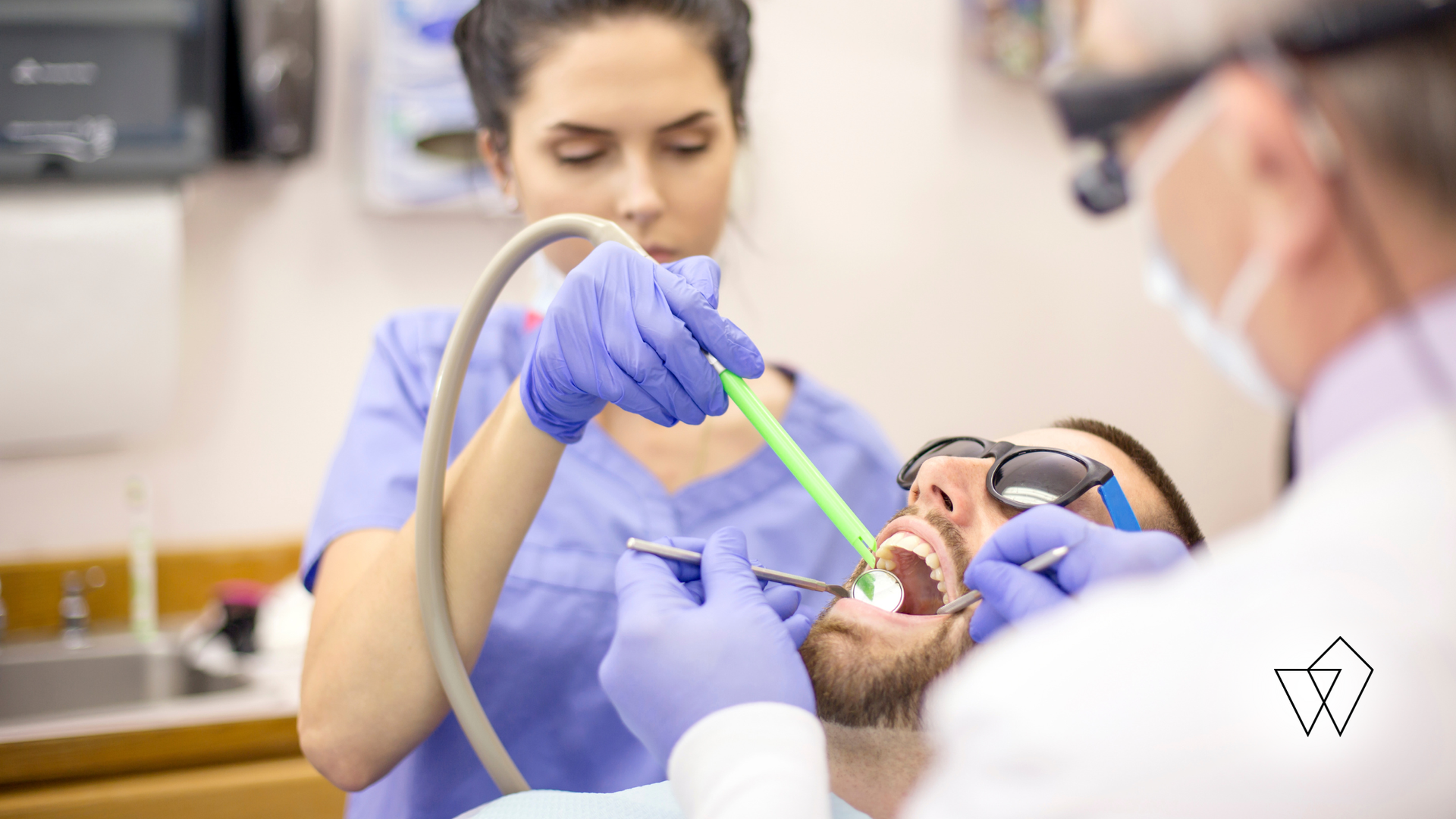
Even with consistent brushing, certain areas are difficult to clean thoroughly. Once tartar forms, it cannot be removed with a toothbrush or floss.
Routine professional cleanings remove hardened deposits before they lead to gum disease or tooth damage. Regular examinations also allow early detection of areas that accumulate plaque more quickly.
If it has been a while since your last cleaning, scheduling a visit at Moxie Dental in Toronto can help prevent minor buildup from progressing into larger concerns.
Small Daily Choices Make a Long-Term Difference
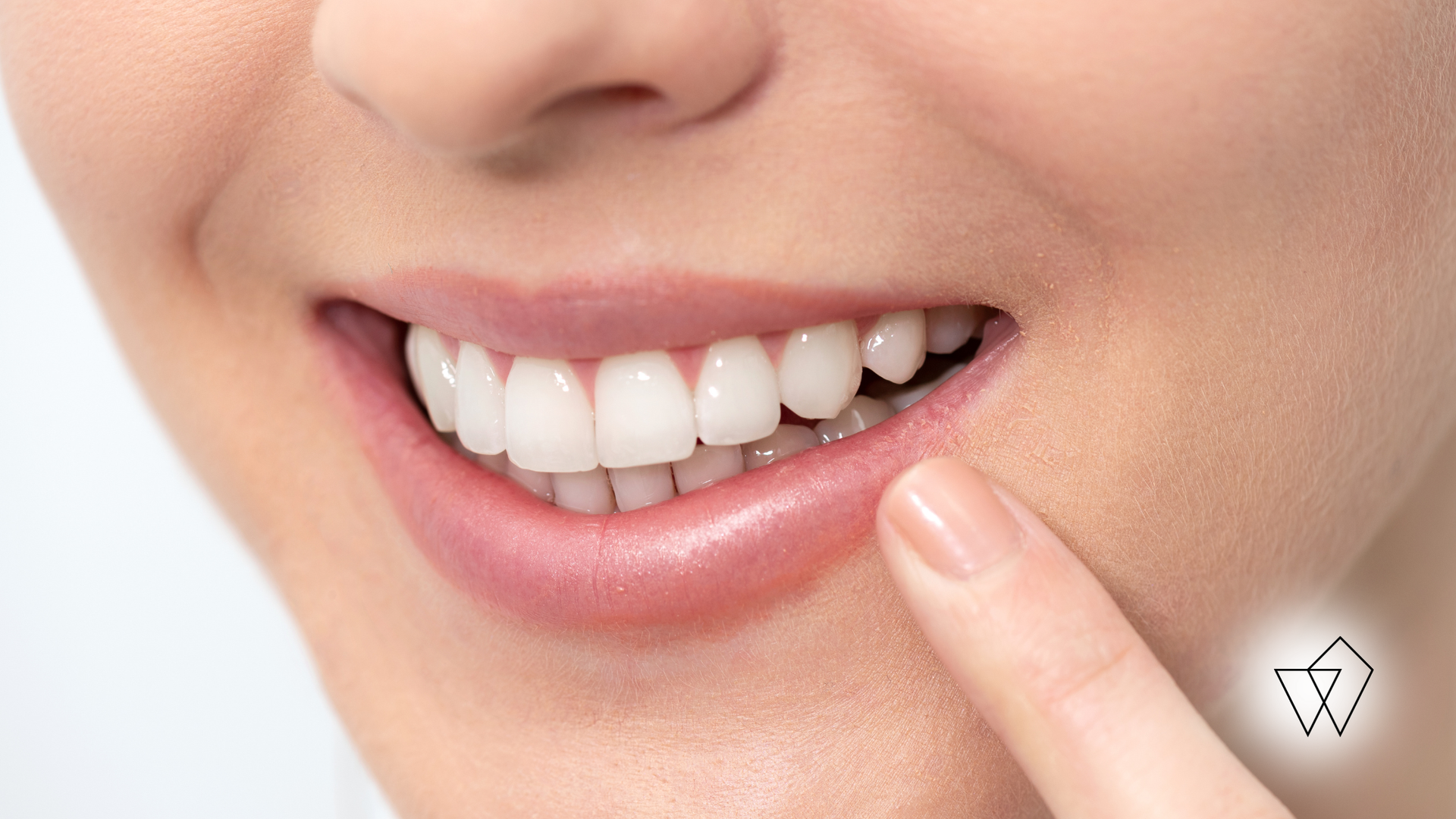
Plaque and tartar are not just hygiene issues. They are influenced by daily habits. Reducing sugary snacks, limiting frequent sipping of sweetened beverages, staying hydrated, and maintaining consistent oral care dramatically reduce buildup.
When you understand which foods feed bacteria and which help control them, you gain more control over your oral health.
If you have concerns about plaque, tartar, or gum health, a comprehensive evaluation at Moxie Dental in Toronto can provide personalized guidance and preventive care tailored to your needs.
Healthy teeth are not just about brushing. They are about the choices made throughout the day.
Share
Recent Posts